

It allows daily transactions to be recorded routinely, as if no accrual had occurred, contributing to efficient processing of invoices and cash flows. Bookkeepers make them to simplify the records in the new accounting period, especially if they use a “cash basis” system. If the accountant did not make a reversing entry at the beginning of the year, the accountant will have this entry upon collection of the income.
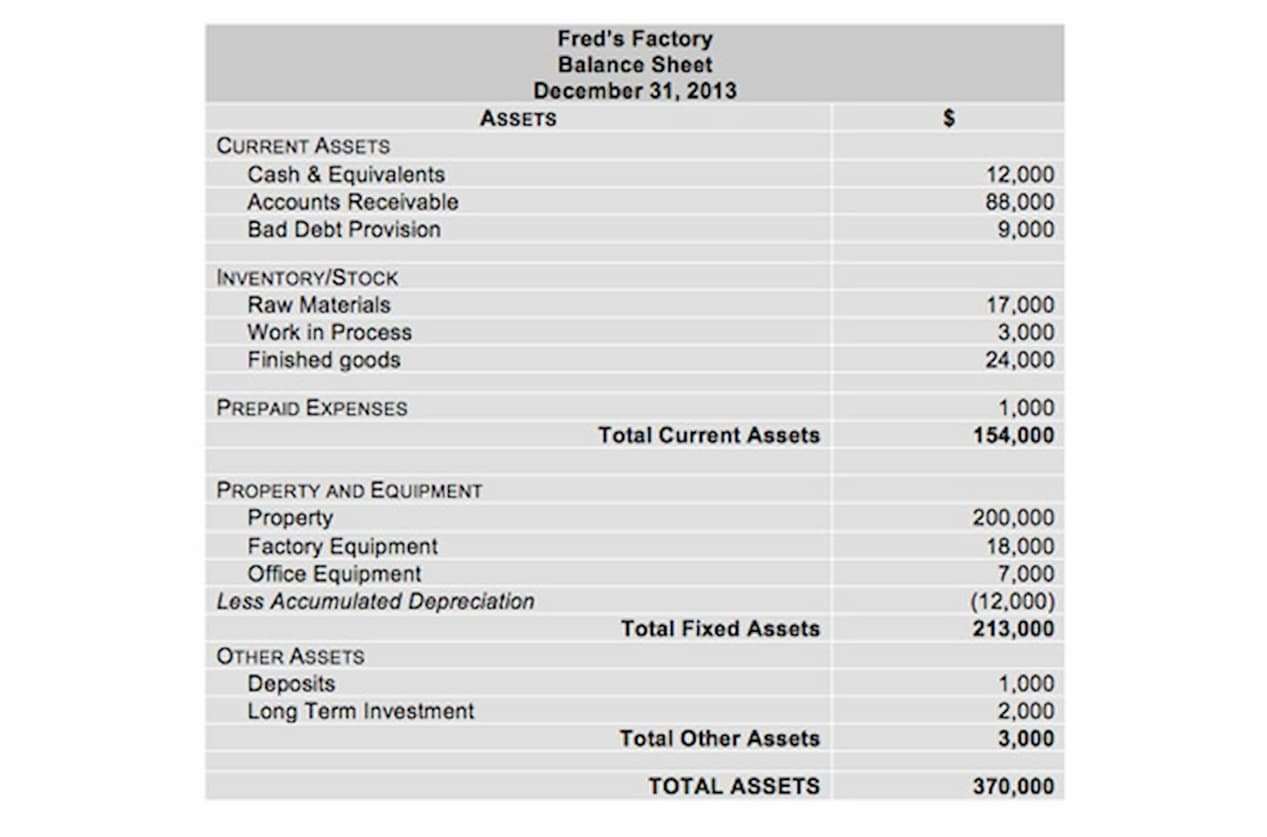
Classified Balance Sheets
- They reverse certain adjusting entries made at the end of the previous period to simplify bookkeeping and prevent double-counting.
- Enterprises dealing with large volumes of revenue transactions often rely on reversing entries to manage timing mismatches and avoid duplicate postings.
- Master accounts payable ledgers with tips to streamline vendor payments, avoid errors, and boost financial accuracy.
- If the accountant did not make a reversing entry at the beginning of the year, the accountant will have this entry upon collection of the income.
- A complete audit trail protects employees and strengthens trust in the organization’s financial practices.
- At the beginning of September, the company posts a reversing entry that debits the accrued expense payable account and credits the expense account.
Reversing entries make even a complicated entry smoother by automatically clearing out previous adjustments, making space for accurate re-recording. If these are not properly documented or reversed, subsequent entries may unknowingly overlap, particularly when multiple team reversing entries are optional members handle the books. As you can see from the T-Accounts above, both accounting method result in the same balances.
What is the difference between a closing and a reversing entry?

You will soon see how reversing entries can simplify the overall process. When the actual payroll of $5,000 is paid on January 15, the entire amount can be debited to Salaries Expense and credited to Cash. The initial credit to Salaries Expense from the reversing entry, combined with the subsequent debit for the full payment, ensures only the new period’s expense portion is recognized. If an adjusting entry debited an expense and https://mesken-bau.de/2022/11/28/sales-tax-in-fremont-city-california-in-2025/ credited a payable, the reversing entry would credit the expense and debit the payable for the same amount. This zeroes out the temporary liability or asset account created by the accrual and places an opposite balance in the related income statement account. Consider a company with $2,000 in unpaid salaries at the end of August.

How Cynthia Went from Failing 6 Times to Passing the CPA Exam in 6 Months
- Its main purpose is to simplify regular transactions recording in the new period without the risk of double-counting.
- The practice of making reversal entries at the beginning of the accounting cycle will ensure that this error of double counting is avoided.
- As can be seen in the ledger accounts, the net effect is that a $50 interest expense will be realized in October, and the full $100 of interest will be paid to the holder of the note.
- Similarly, accrued revenues, where income has been earned but cash has not yet been received, are often reversed.
- If a company earns revenue in one period but expects to receive cash or bill the customer in the next, an adjusting entry records the revenue and a receivable.
- The current entry would be to debit the accrual expense account and debit cash.
Once the reversing entry is made, you can simply record the payment entry just like any other payment entry. If the invoice amount on January 6 had been $18,250 the entire amount would be debited to Temp Service Expense and credited to Accounts Payable. The resulting debit balance of $250 in Temp Service Expense will be reported as a January expense.
After almost a decade of experience in public accounting, he created MyAccountingCourse.com to help people learn accounting & finance, pass the CPA exam, and start their career. HashMicro is Philippines’ ERP solution provider with the most complete software suite for various gym bookkeeping industries, customizable to unique needs of any business. Take the next step toward digital transformation by exploring HashMicro’s Accounting Software. Contact us now to schedule a free demo and experience how our system can enhance your company’s operations quickly and efficiently.