

Most businesses are required to follow GAAP, especially if they are publicly traded or seeking investment. Using cash basis accounting can limit a company’s ability to attract investors or secure financing, as it may not provide a comprehensive and accurate picture of the business’s financial health. Exhibits 3 and 4 show financial statements prepared for a hypotheticalmanufacturing company using GAAP, the modified cash basis, and the cashbasis. Realistic dollar values are computed using published financialratios for Outsource Invoicing a manufacturer of sheet metal stampings. Financialstatements of companies in many other industries likely would providesimilar differences as reflected in the hypothetical company.

Understanding Accrual to Cash Conversions
- But in most cases, the cash basis vs. accrual basis conundrum sneaks up on business owners over time.
- They can also maintain the records accurately using the chosen accounting method, ensuring smooth financial reporting.
- This may influence which products we review and write about (and where those products appear on the site), but it in no way affects our recommendations or advice, which are grounded in thousands of hours of research.
- Tools like cash flow forecasts and variance analysis remain essential for informed decision-making.
- Accountants do not record opportunity costs in the general ledger or report them on the income statement, but they are costs that should be considered when making decisions.
- In addition to accounting software like QuickBooks and FreshBooks, businesses need to maintain a ledger to record financial transactions.
By following these steps and tips, businesses can effectively prepare accurate and complete income statements using the cash basis of accounting, providing valuable insights into the business’s cash flow and financial health. The cash basis method of accounting recognizes income when it is received and expenses when they are paid. This means that income is recognized when cash is received and not when it is earned.

How cash basis accounting affects financial statements
- The cash basis method of accounting recognizes income when it is received and expenses when they are paid.
- The primary function of a cash basis income statement in accounting revolves around accurately recording cash transactions, enabling comprehensive financial analysis, and supporting effective cash management within businesses.
- Pure cash basis financial statements may be adequate for certainsmaller companies where cash flow is of primary importance to managementand a limited number of external users.
- To understand cash basis accounting, it is helpful to compare it with its counterpart, accrual basis accounting.
Note that if there were any dividends issued to shareholders, the amount paid out would come out of retained earnings. The common stock and additional paid-in capital (APIC) line items are not impacted by anything on the CFS, so we just extend the Year 0 cash based income statement amount of $20m to Year 1. Subsequently, the net change in cash amount will then be added to the beginning-of-period cash balance to calculate the end-of-period cash balance.
Benefits of cash basis accounting

By understanding these differences, stakeholders can better interpret the financial statements’ insights http://galaksi.anasonisleri.com/20-best-accounting-software-for-small-businesses/ and their implications under different frameworks. This knowledge is essential for making informed decisions based on the financial data presented. Paralleling the guidelines for reporting on GAAP-basis statements, the rules for OCBOA statements may result in CPAs’ needing to modify standard audit, review and compilation reports on these statements.

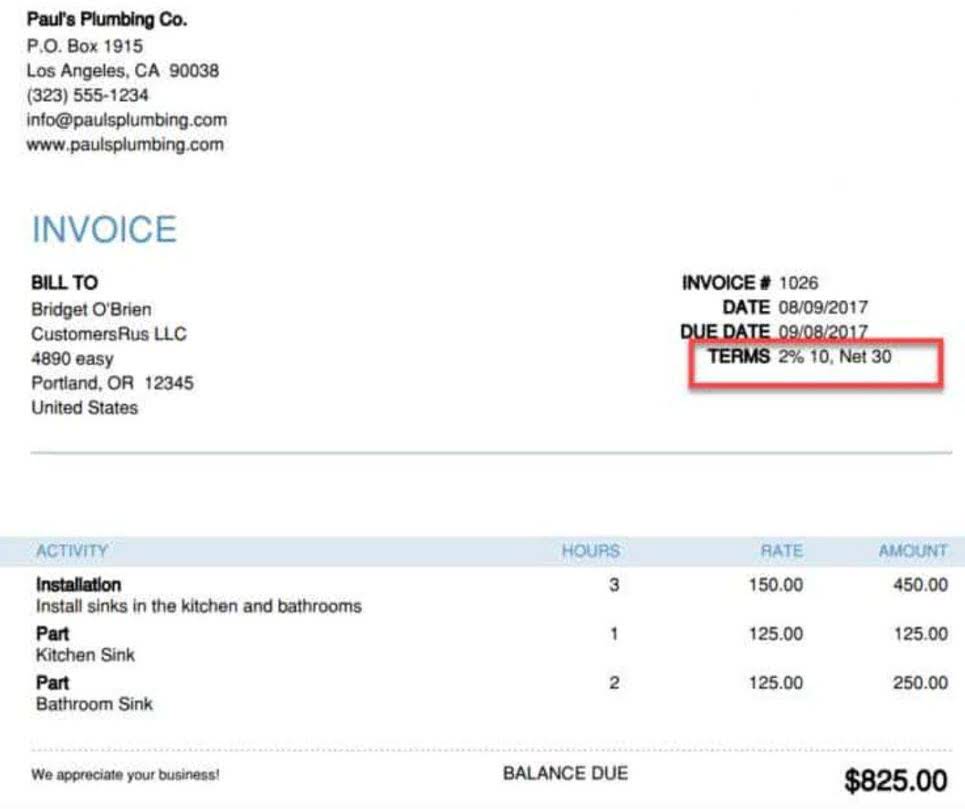
Accrual accounting includes accounts receivable (A/R) and accounts payable (A/P) in financial statements, which inform you of what payments you will receive and your outstanding bills. However, you might need to eventually switch to accrual accounting if your business grows past a certain point or you want financial reports that better represent your business operations. Here, we’ll cover everything you need to know about the basics of cash basis accounting. Imagine a freelance consultant who sells a package of services on December 10 but does not receive payment until January 15. Under the cash-basis method, no revenue would appear in December; the entire revenue recognition event would be recorded in January when the cash is actually received. Similarly, if the consultant incurred an expense in December but paid it in February, the expense would be recorded in February rather than December.